No Results Found
The page you requested could not be found. Try refining your search, or use the navigation above to locate the post.

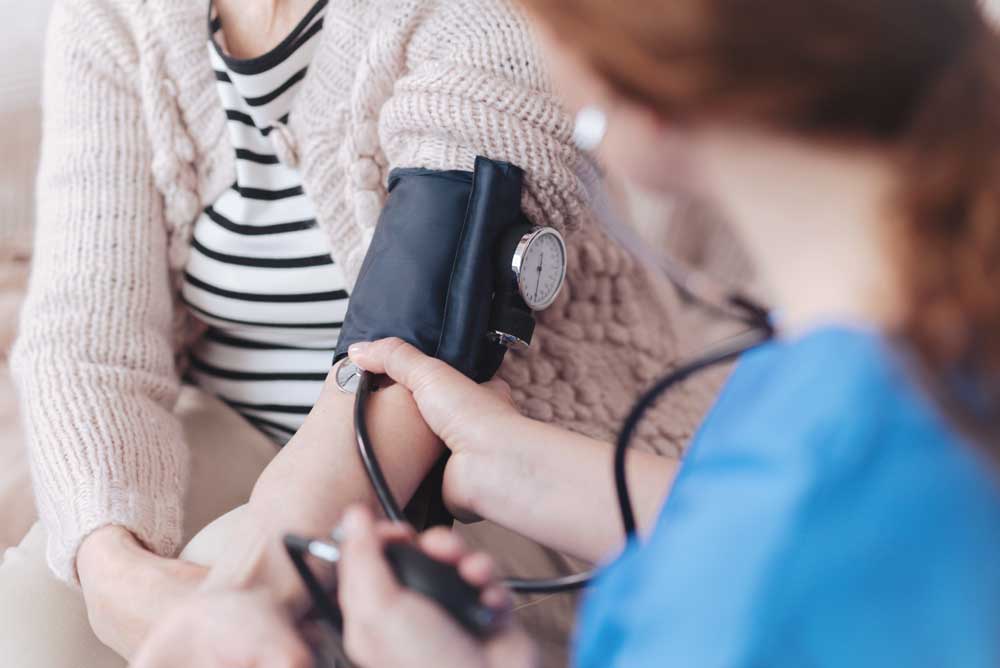
Have you ever wondered what’s happening in your body when anxiety and stress are triggered?
Stress and Anxiety are “fight or flight” responses, which allow us to react faster and more appropriately, depending on the situation. These have been incorporated in us for centuries; they were part of what kept us alive in the face of various predators.
Today, however, we express these responses even though the “dangers” around us are entirely different. Sometimes, as in the case of anxiety, we just “assume” the “danger” and trigger this reaction, where many symptoms come to the surface.
Our brain controls many of our organism’s responses, voluntarily or involuntarily. In principle, we perceive the warning or danger signal, the initial trigger, where our brain understands that it must prepare the body to flee or fight quickly.
In order to do so, it acts through a system called the autonomic nervous system (ANS), to which it sends a signal. This ANS is in turn divided into sympathetic and parasympathetic, which regulate different responses.
The reactions that occur in stress and anxiety have to do with the release of important hormones (such as adrenaline and noradrenaline) by the sympathetic nervous system. These products travel through our body triggering a set of different reactions that will end up “activating” it.
Now, let us quickly analyze some of the effects of this hormone in the context of a real-life scenario: an imminent danger is coming towards you (for example, a person tries to grab your purse). In this case, your reaction might be to flee. What does your body need to respond appropriately?
1) Heart rate: It must be increased to enhance the oxygen and nutrients that reach your muscles and tissues to maintain the flight response.
2) Blood vessels: Pressure must increase in the arteries and veins to improve blood flow to the muscles. This vasoconstriction is the origin of headache under conditions of stress or anxiety.
3) Lungs: In order to give more oxygen to the blood and thus reach the lungs, the airways must be widened and the breath rate increased.
4) Sweating: This is not nervousness. Under this response, your body temperature increases to improve metabolic reactions and promote other biological reactions, all these to respond better to the “danger” that approaches. Sweating is a compensation mechanism for this increase in temperature.
5) Intestine: It is time to stop everything! It is not time to eat or digest; it is time to flee from danger. Therefore, the intestinal contents are stopped, through spasms, which can cause pain.
6) Kidney: In a fear-inducing emergency, the body produces less urine in order to preserve the liquids we have. The same goes for salivary glands. Our brain isn’t sure how long the danger will last, so it goes into conservation mode.
These, and many other responses are necessary to be able to “run away” properly, and all are mediated by the sympathetic nervous system. This is part of what you suffer when you are under stress or with anxiety. They are also limited responses that only last a few minutes – if the original “dangerous” stimulus disappears” – but that may remain a little longer in people who constantly suffer from it.
Since our body responds to perceived dangers (Ex.: Worried thoughts about what someone is thinking about you) in the same way as it does to genuine physical dangers (Ex. Rabid animal), it’s up to you to communicate with your body to assist it in deescalating the threat.
Here are some quick tips for sending signals to your nervous system that will help it deescalate:
If you’d like help with stress or anxiety, a counselor with Star Meadow Counseling is available to help!
Would you like to read more of our blogs about anxiety? Check out one of the links below!

Anxiety and panic attacks are uncomfortable. Sometimes anxiety is so physically uncomfortable that people experience heart palpitations, nausea, chest pain, dizziness, difficulty breathing, or faintness. Sometimes anxiety symptoms worry someone so much that they call 911 or take themselves to the emergency room, only to be turned away after being assured that the problem is “just” anxiety.
In the counseling office, counselors often hear clients eager to alleviate and rid themselves entirely of anxiety. Certainly, relief would be nice, and some coping skills would be helpful. But what if honoring feelings of anxiety may help (in the end) to decrease anxiety? Before you say goodbye to your anxiety, consider the reasons why feeling anxious might be to your benefit.
People may feel persistently anxious when when something in their life needs to change. For example, if you err on the side of workaholism, burnout is a very real risk. Anxiety is your body’s way of signaling overload. It is alerting you to a need to say “no” to something on your plate. It can prompt you to challenge your list of have-to obligations.
Anxiety can be a sign that you are outside of your comfort zone. Anytime you do something new, anxiety is there to help you get your bearings, watch for “danger,” and minimize risk. Often, the more that you repeatedly experience being out of your comfort zone in a specific way, the more your comfort zone expands, and the less you need anxiety to help you be watchful.
When you tell yourself to “stop feeling anxious,” you are sending a message that there is something “bad” or wrong happening. That self-talk message can create a form of secondary anxiety– anxiety about having anxiety! These worried thoughts about the anxiety itself can increase tension (and add in guilt or shame), rather than alleviate stress. Instead, if you tell yourself that it’s okay to feel nervous or be panicked, they can begin to feel more okay with themselves and honor the good reasons why they might be anxious.
Most of the time, panic attacks are triggered by something stressful in your environment, then made worse by “danger” thoughts about the panic itself. Common catastrophic thoughts experienced during a panic attack include (but aren’t limited to):
Panicked thoughts about your body’s experience of anxiety only make you more afraid. These thoughts feed your panic and make it difficult for your body to calm. In fact, how long a panic attack lasts might be somewhat in your control. If you can stop scaring yourself with catastrophic thoughts (or should-thoughts), the adrenaline from your fight-or-flight reaction will wear itself out in a few minutes.
Instead, try not to ignore what you’re feeling. Notice and feel the sensations of your anxiety or panic. Assure yourself that the feelings aren’t harmful (because they’re usually not). Don’t fight the feelings, but imagine yourself surfing them like a wave. The more you resist, the higher your anxiety; the more you accept what you’re feeling, the more quickly it can pass.
Certainly high or persistent anxiety can be more of a hindrance than a help. However, at occasional low-to-moderate levels, anxiety prepares your body for action in a more productive manner. It increases drive, focus, clarity, strength, and stamina on intellectually stimulating tasks.
Anxiety is a normal human emotion that is safe (and helpful) for you to feel. Let yourself feel your feelings, but then move on. Anxiety has a tendency to take over if it becomes your primary focus. Stay engaged in practice of living life. A mental health counselor can help you build a customized tool box for coping (and making friends) with anxiety.
Want to read more about Anxiety? Check out these posts:

Standing for Eye Movement Desensitization and Reprocessing, EMDR is a specialized kind of therapy that allows traumatic memories to become desensitized, losing some of their emotional intensity. EMDR is an 8 step process. That process does NOT begin with the trauma processing itself. Instead, the therapist ensures that you have a stockpile of effective coping skills and resources to aid you in the trauma processing experience prior to beginning any sort of trauma processing. The goal throughout the therapy is to provide relief to trauma triggers and not to re-traumatize you in the re-telling of experiences. Only once a clear plan has been developed and coping skills are in place will the therapist guide you through the re-processing experience. Re-processing often involves specialized eye movements that the therapists guides you through while you simultaneously access a specific traumatic memory or severe fear. The two elements use both halves of your brain to more effectively neutralize the negative emotions and desensitizing the memory. The goal of EMDR is not to erase the memory, it’s to reprogram it so that it’s less traumatic.
There are a lot of different situations in which EMDR can be helpful, making it popular for therapists and counselors around the world. It is best known for helping those clients who are recovering from a traumatic experience or those diagnosed with Post-Traumatic Stress Disorder (PTSD). However, research is indicating that EMDR may also be helpful with conditions such as anxiety/panic disorders, grief, severe fears or phobias, and even “common” problems such as self-esteem issues or anger issues.
There are a lot of ways the EMDR can be helpful to dealing with trauma. This specific kind of therapy can not only help someone heal from a trauma experience, but also improve their quality of life. For example, EMDR can be helpful with:
EMDR does not come without potential risks. Though EMDR tends to be gentle and stress-reducing, there is a potential risk of an increase in flashbacks, nightmares, or anxiety, usually in the short-term. Other memories may also resurface as trauma processing starts up that may be distressing. If you are in recovery from an addiction, EMDR processing may trigger feelings that, in the past, may have lead to a relapse. If you are a person in recovery (or actively use substances to cope with feelings), this will be something you should disclose to your therapist.
The EMDR therapists on the Star Meadow Counseling team will fully review the risks and benefits of EMDR therapy with you in helping determine if it is a therapeutic approach that might be a fit for you.
EMDR can offer real results for people dealing with trauma. For those looking for options alternative to traditional talk therapy, this may just be the right fit.
Want to read more from our blog? Check out one of these articles:
The page you requested could not be found. Try refining your search, or use the navigation above to locate the post.

We invited our friend, Eve Parker at Simply Yoga, to share this guest blog, which provides information about the positive impact of yoga on a person's mental health and overall wellness. After reading the article, if you’d like more information about Simply Yoga, we...

The hard work and unpredictability that makes parenting so rewarding can also cause a great deal of anxiety. Here are some simple ways to bring yourself to a place of calm. Make a To-Do List Ruminating on worries can cause lots of stress. Clear your mind by...

If you’re someone who spends most of the night tossing and turning and checking the time on the clock, you’re definitely not alone. According to the National Institute of Health, there are an estimated 50 to 70 million Americans chronically suffering from some kind of...

Let’s have a look at seven popular mental health podcasts that are waiting to show you the way:


Here are some of our other blog articles you might like:
The page you requested could not be found. Try refining your search, or use the navigation above to locate the post.

At its most basic level, mindfulness is exactly how it sounds: the idea of knowing your mind at the minute detail level within the present moment. Being mindful means that you are listening to your thought process, acknowledging and identifying your emotions and simply being aware of what’s going on inside of you. This is often combined with the idea of meditation or yoga or something that can help your focus on what’s going on within yourself.
The reality is that mindfulness can be present in many forms and on its own or in combination with meditation. Regardless of how it is present, it is a healing process that has many benefits to its name.
Mindfulness is popular online in social and professional circles for all of the right reasons. As it continues to enjoy an online presence, more and more quantifiable research is going into its healing effects in mental and physical health to see how it can be exercised as a professional treatment option. Time will tell just how useful it can be long-term, but it clearly has got a lot going for it already and makes it something that you’re going to want to know about.