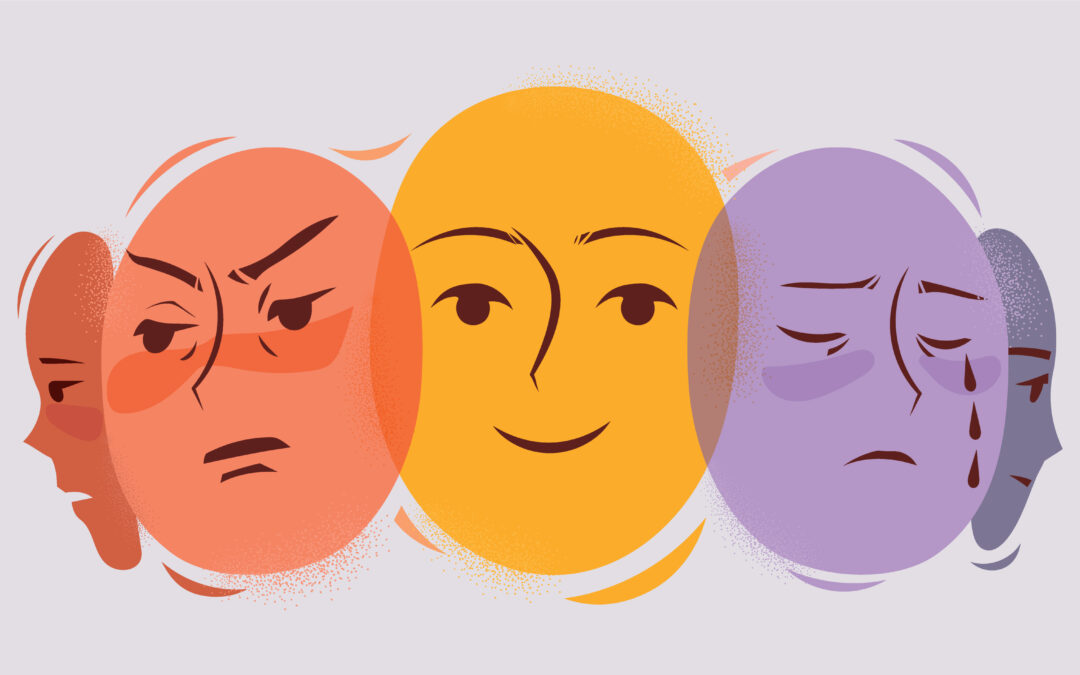
Learning to fully accept yourself is an important step not to skip when working toward feeling better about yourself. If there are things about yourself that you do not accept, it would be very hard to accept good things that may come your way. You may end up...
Climate Anxiety
Hope, Action, and Climate Advocacy
“I thought I couldn’t make a difference because I was too small.”
-Greta Thunberg
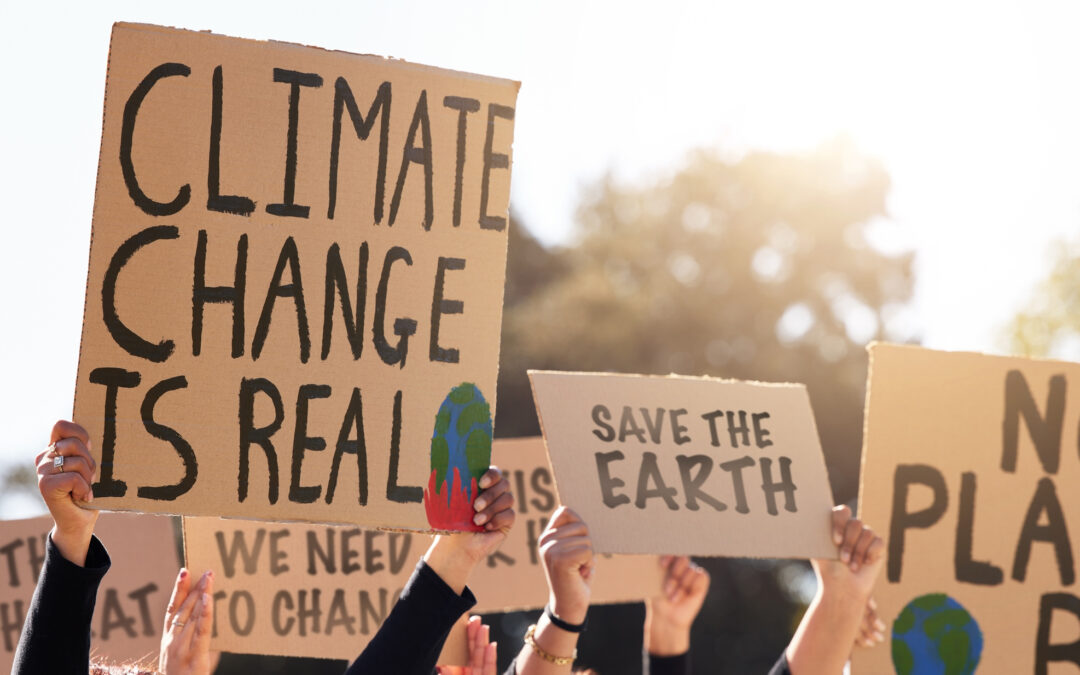
We live in the age of information, which means it is increasingly difficult to limit one’s access to breaking news. More and more we are seeing headlines about wildfire evacuation, record flooding, and heat waves. It is well-established that climate change is a threat to our physical health, and we are starting to see data about its negative impacts on mental health.
The term climate anxiety, or eco-anxiety, was first studied as a phenomenon in 2007, though began to receive more attention around 2017 after Greta Thunberg publicly spoke about her own anxiety relative to climate change. A September 2021 survey asked 10,000 respondents from ten countries across the world about their fears related to the environment and found that nearly 60 percent were either ‘very worried’ or ‘extremely worried’ about the climate. Climate anxiety is especially common among children and young adults. In some universities, over 70 percent of students described themselves as suffering from eco-anxiety. If this is something you have personally experienced, you are not alone.
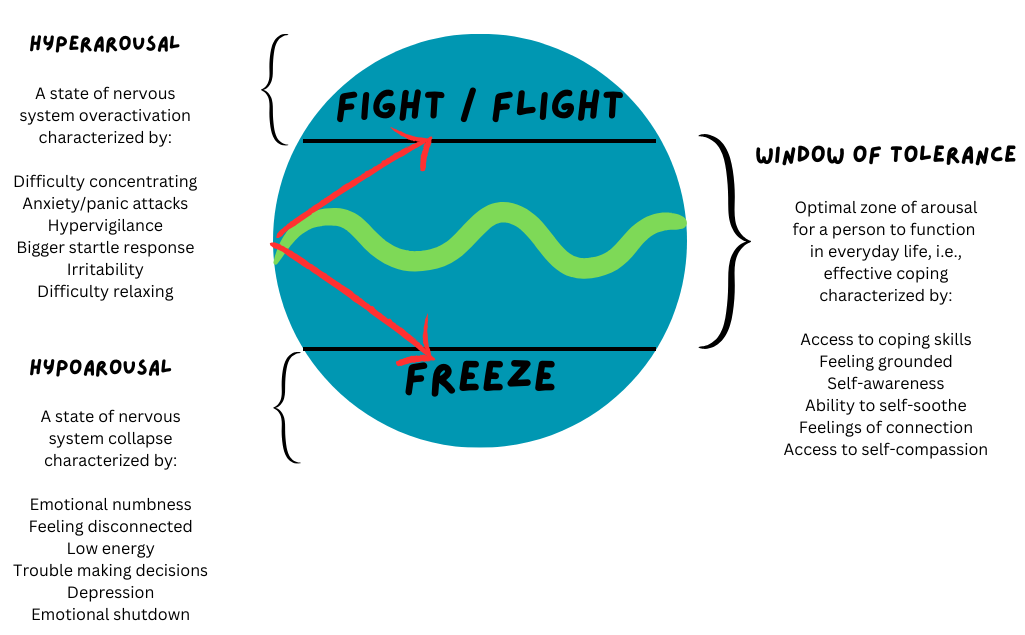
Although the effects of climate change are far-reaching, it is important to note that advocacy at the individual level makes a difference. There is hope in knowing that climate anxiety is not a standalone mental health condition, largely because it is defined as an adaptable response to a distressing situation. Discomfort is a change agent and a motivator, though mindfulness is important. When anxiety turns into overwhelm, it can show up as conflict avoidance or a freeze response. This can lead to a sense of hopelessness about the future and about one’s own ability to make a difference.
If you are someone who experiences anxiety about the future of our home, and find yourself at a loss, below are some suggestions for sustainable advocacy –
1. Focus on what you can control
-
-
Research and participate in local organizations, initiatives, or volunteer opportunities
-
Write or call your legislators, encouraging them to act in defense of the environment
-
Consider ways you can engage in consumption more sustainably (composting/recycling)
-
Donate to organizations you care about, if you are able
-
Have conversations with your friends and family members about your thoughts and feelings
-
2. Avoid burnout
-
-
As stated earlier, anxiety when left uncared for can lead to overwhelm. Get curious about your own anxiety and take note of your freeze responses
-
Give yourself full permission to take breaks from the Internet to recuperate and practice self-care; this will allow you to avoid burnout and return to advocacy when you are able
-
3. Practice self-compassion
-
-
Remember: Your anxiety makes sense and is an adaptable response to an unsustainable situation. Consider ways you can mindfully process your emotions through journaling, talking with a therapist, physical movement, art, or gardening
-
Getting outside does wonders for our individual and collective mental health. Get curious about ways you can plant flowers, access hiking trails, or any other hobbies you enjoy that can be done outside. When you take care of yourself, you have internal resources to pull from when you feel called to take care of the world around you.
-
Ready to take the next step?
Contact us today to learn more about our Counseling services and how we can help you process climate anxiety.

What Gets in the Way of Self-Acceptance? And What You Can Do About It

Learn More About Who You Are Through a Dialogue With Your Opposite Self
Sometimes people come to therapy with a narrow definition of who they are as a person. Sometimes it is because they over-identify with their mental health diagnosis, sometimes it is due to cultural influences, sometimes it is because of messages they heard from their...

Mindfulness Activities to do Outdoors Near Vancouver, WA
Do you want to develop a habit of being more present, self-aware, and non-judgmental? Whether you have just learned about mindfulness or have been practicing it for years, you may want to find ways to integrate it into your life in ways that feel natural and fun. You...

What Is a Mood Tracker?
A mood tracker is a visual tool you can use to help you increase self-awareness by gathering data on your day to day emotional experiences and factors that may affect your mood. Are you someone who likes to see more concrete evidence that you are making progress? Is...

Breaking Free From Rumination After a Narcissistic Relationship
If you’ve ever found yourself replaying old conversations, imagining what you should have said, or wondering if it was all somehow your fault, you’re not alone. This mental loop is called rumination, and it can pull you out of your present life and drop you right back...